
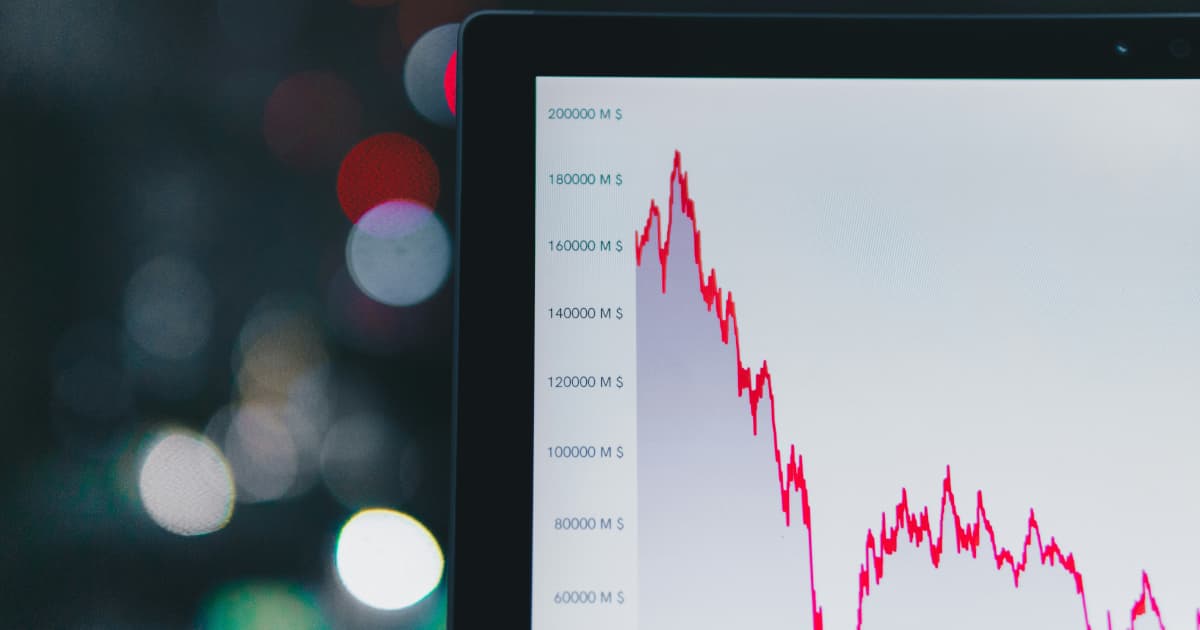
Precious metals markets experienced notable declines as escalating geopolitical tensions in the Middle East sparked concerns about potential inflation spikes and global economic recession. Gold and silver prices have continued their downward trajectory during what industry observers describe as a challenging month for the sector. The market movements reflect investor apprehension that prolonged conflict could disrupt global economic stability. Industry participants, including companies like New Pacific Metals Corp., are closely monitoring geopolitical developments and adjusting their strategies accordingly. The company's response to these market conditions will be shaped by how events unfold in the coming weeks.
Market analysts suggest that the precious metals decline represents a broader pattern of investor behavior during periods of geopolitical uncertainty. While precious metals traditionally serve as safe-haven assets during turbulent times, current market dynamics appear to be driven by concerns that conflict could trigger inflationary pressures severe enough to impact global economic growth. The situation highlights the interconnected nature of geopolitical events and financial markets. As detailed in industry coverage available at https://RocksAndStocks.news, market participants must navigate complex factors including potential supply chain disruptions, energy price volatility, and shifting investor sentiment. These elements collectively influence precious metals pricing and industry performance.
Industry communications platforms that cover mining sectors provide context for these market movements. The terms governing such financial content are typically outlined in documentation like that found at https://RocksAndStocks.news/Disclaimer, which establishes parameters for market analysis and reporting. These resources help investors understand the regulatory and informational frameworks surrounding precious metals investments. The current market conditions underscore the importance of monitoring geopolitical developments for their potential economic consequences. As the situation evolves, industry participants will continue assessing how Middle East tensions might affect inflation metrics, central bank policies, and broader economic indicators that influence precious metals valuations.