
Congress Moves to Suspend Student Loan Wage Garnishment as Collections Resume
Found this article helpful?
Share it with your network and spread the knowledge!
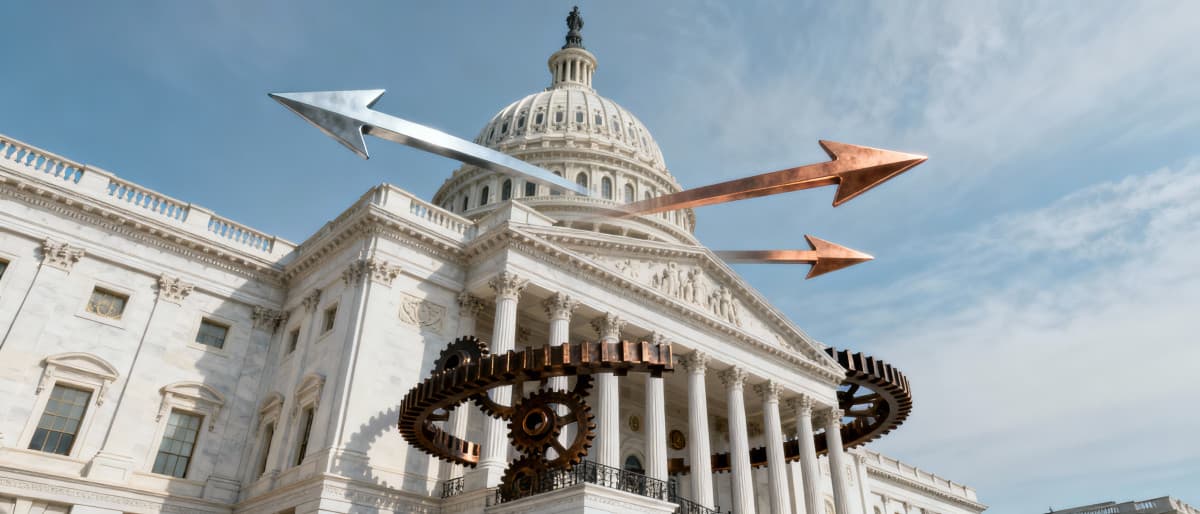
The resumption of administrative wage garnishment for defaulted federal student loans has prompted immediate bipartisan congressional action, with legislators introducing bills in both chambers to suspend the controversial collection practice. As federal student loan collections ramp up following a multi-year pause, approximately 5.5 million defaulted borrowers nationwide now face the return of administrative wage garnishment, which allows the government to seize up to 15% of a worker's disposable pay without a court order. The Department of Education's decision to restart comprehensive debt collection, including the interception of tax refunds and Social Security benefits, began in May 2025 and affects millions of Americans currently in default, with millions more at risk of falling into delinquency.
This renewed collection effort has created significant administrative burdens for employers nationwide, who must navigate the complex process of complying with garnishment orders. In response, legislators introduced the "Ending Administrative Garnishment Act of 2025" (S. 1764 / H.R. 3412), which seeks to immediately suspend the Secretary of Education's authority to use wage garnishment for defaulted student loans until significant new borrower protections and administrative safeguards are implemented. The proposed legislation includes critical reforms such as prohibiting garnishment on loans outstanding for more than 10 years, requiring the Department of Education to refund improperly garnished wages within one week, and establishing a process for employers to verify garnishment information quarterly.
The bill also proposes establishing a private right of action that would allow borrowers to sue employers who improperly garnish wages after an order is suspended, while requiring the Department to pay double damages for improper seizures. Proponents argue that the current administrative wage garnishment system is prone to error and disproportionately harms vulnerable workers already struggling with rising consumer debt and high inflation. As the bill moves through congressional committees, the debate highlights the critical junction between federal debt recovery efforts and employee financial well-being.
Stakeholders from borrowers and consumer advocates to employers and payroll professionals are closely monitoring the legislation's progress, recognizing that the future of student loan debt collection may soon undergo fundamental changes. The bipartisan nature of the legislative response underscores the widespread concern about the impact of wage garnishment resumption on American workers and businesses. The legislation represents a significant challenge to the Department of Education's collection authority and could establish important new protections for millions of borrowers facing financial hardship.
